Microbiology Terms from the Letter A
Abiotic = Non-living
Abiogenesis = Generation of life from abiotic components
Actinomycetes/Actinobacteria = Group of filamentous bacteria
Adhesion = Attachment of microorganisms over biotic/abiotic surface
Agar = Polymer of galactose sugar (agarose) and agaropectin derived from algae and used to solidify culture media
Agar Medium = Solid/semi-solid culture medium containing agar
Agar Diffusion = Diffusion of molecules via matrix in agar medium
Agarose Gel = A semi-solid matrix formed by the solidification of agarose; mainly used in the differentiation of proteins, and nucleic acids
Aerobes = Microorganisms requiring atmospheric oxygen for respiration/survival
Anaerobes = Microorganisms that can survive in absence of atmospheric oxygen
Aerotolerant = Anaerobes that can tolerate atmospheric oxygen
Antibiotics = Medicines/chemicals used against bacteria/bacterial infections
Antibiotic Resistance = ABR; the ability of bacteria to escape the effect of antibiotics
Antifungal = Medicines/chemicals used against fungi/fungal infections
Antifungal Resistance = Ability of fungi to escape the effect of antifungals
Antimicrobials = Medicines/chemicals used against microorganisms/microbial infections
Antimicrobial Resistance = AMR; the ability of microorganisms to escape the effect of antimicrobials
Anthelmintic = Medicines/chemicals used against helminths/helminthic infections
Antiprotozoal = Medicines/chemicals used against protozoa/protozoan infections
Antiparasitic = Medicines/chemicals used against parasites/parasitic infections
Antiviral = Medicines/chemicals used against viruses/viral infections
Antiviral Resistance = Ability of viruses to escape the effect of antivirals
Antiseptics = Antimicrobials applied over living tissues
Archaea = Domain of prokaryotic organisms, similar morphology to bacteria but unique biochemistry against microorganisms
Aseptic = Sterilized/free from microbes
Asepted = Microbial cell lacking septa
Agglutination = Clumping together
Antigen = Foreign body capable of activating the immune system
Antibody = Glycoprotein produced by the immune system against a specific antigen
Antagonistic = Showing inhibitory/cidal response to another
Amphitrichous = Bacteria with a single flagellum at each end
Atrichous = Lacking flagella
Alpha (α)-hemolytic = Microorganisms partially disrupting RBCs giving greenish zone of hemolysis
Attenuate = To reduce the virulence of a pathogen
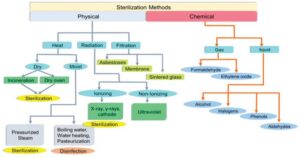
Autoclave = Sterilizing equipment that uses a pressurized hot stem; to sterilize using an autoclave
Autotroph= Organism that can synthesize their own food
ATP = Adenosine Triphosphate; energy currency of cell/stored form of energy in a living system
AST = Antimicrobial Sensitivity (Susceptibility) Testing; Procedure to test the sensitivity of antimicrobials
ATCC = American Type Culture Collection; Organization storing and providing standard microorganisms
ABR = Antibacterial Resistance
AMR = Antimicrobial Resistance
Microbiology Terms from the Letter B
Bacteria = A domain of prokaryotic, microscopic, unicellular organism
Bacterial Culture = Bacteria grown in a culture medium
Bacteriology = Study of Bacteria
Bacteriophage = Viruses that can infect bacteria
Bacillus = Rod-shaped bacterium
Bacteremia = Presence of bacteria in the blood
Bacteriuria = Presence of bacteria in urine
Bacterial = Caused/Related to bacteria
Bactericidal = Substance having the capacity to kill bacteria
Bacteriostatic = Substance having the capacity to inhibit bacterial growth/multiplication
Basal medium = Culture medium with minimum nutrition that is enriched with highly nutritious substance to make enrichment/special media
Bio-hazard = Biological components that are hazardous
Broth = Liquid culture medium
Broad-spectrum Antibiotics = Antibiotics acting against a broad range (both Gram-positive and negative) of bacteria
Biochemical Tests = A set of tests to identify the biochemical characteristics of a microorganism
Biochemical Characterization = Classification of microorganisms based on biochemical characters
Biofilm = A thick film/aggregate of bacteria formed within a thick slimy extracellular matrix
Bioluminescent bacteria = Bacteria emitting light
Blood Agar = Enriched culture medium containing blood
Blood Borne Infections = Infections transmitted through blood
Buffer = Solution that resists change in pH of a solution
BSC = Bio-safety cabinet
Microbiology Terms from the Letter C
Capsule = Gelatinous extracellular layer covering bacteria, usually made of polysaccharide
Capsulated = Having capsule as the outermost layer
Capsid = Protenious capsular shell enclosing viral genomes
Carbon source = Nutrient/component in a culture medium that provides carbon for microbial growth
Chain = Arrangement of microbial cells in form of a line
Chitin = Protein in the cell wall of the fungus
Chromosome = Bacteria genomic DNA
Cidal effect = Killing of bacteria/microorganisms
Cilia = Fine hair-like appendages in Eukaryotes
Ciliates = Protozoans having cilia
Clone = Offspring of a single microbial cell
Cluster = Arrangement of microbial cells in a group
Cryopreservation = Preservation of microbial cells in very low temperature
Coagulase = Microbial enzyme that can clot plasma
Coagulase Test = Test to detect the ability of a microbe to produce coagulase
Coliform = A group of Gram-negative bacilli found in the feces of vertebrates
Colony = Visible group of microbial cells developed after microbial culture
Complex Media = Media that supports the growth of broad-range of microbes
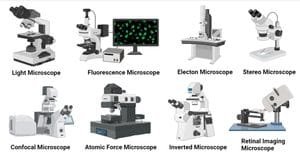
Compound microscope = Light microscope that uses two sets of lenses
Conjugation = Transfer of bacterial DNA by direct contact between two bacterial cells
Contamination = Introduction of unwanted microorganisms
Contaminated growth = Microbial culture with unwanted/uninoculated microorganisms
Co-culture/Consortia = Mutual growth of two different species/genera of microbes in a single culture
Commensals = Normal flora
Coulter counter = Device used to count microbial cells in a suspension
Culture = To grow/multiply microorganisms; culture medium with grown microorganisms
Culture = Isolated and multiplied single species of microorganisms
Culture Medium = Nutritious substance that supports the growth of microorganisms
CFU = Colony formation unit; microbial cell/cells that form a single colony
Microbiology Terms from the Letter D
Decontamination = Making a sample/object sterile; removal of alive microorganisms
Decomposers = Microorganisms that degrade complex organic matters into a simpler form
Desiccation = Removal of water
Diatoms = Microscopic, unicellular algae
Dinoflagellates = Unicellular algae with two flagella
Diffusion = Spreading over a matrix of medium or gel
Diplococcus = Arrangement of microbial cells in a group of two
Diphtheroid = Commensal bacteria morphologically similar to C. diphtheriae
Dilution = Suspension of microorganisms or chemicals in a certain proportion
Direct Microscopy = Counting of microbial cells in a sample using a microscope
Disinfectant = Chemicals that kill/inhibit microorganisms (used in inanimate surfaces)
Disinfection = Removal of microorganisms (mainly from the inanimate surface)
Disc/Disk = A small circular (usually 6 mm) filter-paper piece mostly used to carry antibiotics or chemicals for test
DNA = Deoxyribonucleic acid
Microbiology Terms from the Letter E
Enterobacterales /Enteric bacteria = Bacteria found in GI-tract; Members of Enterobacteriaceae
Electrophoresis = Technique to separate macromolecules and nucleic acids using electricity over agarose gel
Endotoxin = Pyrogenic lipopolysaccharide mostly within cell-wall of Gram-negative bacteria; toxin within the bacterial cell
Enterotoxin = Exotoxin affecting intestinal cells
Exotoxin = Toxin released outside the microbial cell
Enteric fever = Typhoidal/Paratyphoid fever
Eubacteria = A domain of prokaryotes including true bacteria
Extremophiles = Organisms thriving in extreme environments
ELISA = Enzyme Linked Immunosorbent Assay; a detection technique
ETC = Electron Transport Chain
ESBL = Extended Spectrum -Lactamase; a type of -Lactamase enzyme
Microbiology Terms from the Letter F
Facultative Aerobe = Aerobic microorganism that can even survive in anaerobic condition
Facultative Anaerobe = Anaerobe that can even survive in presence of oxygen
Fermentation = Anaerobic breakdown of organic substance (sugar) into alcohol, acid, or gas by microorganisms
Flagella = Hair-like protruding appendages in the microorganism that provide motility
Flagellates = Microbes having flagella
Filamentous = Long thread-like morphology of microorganisms
Fimbriae = Fine proteinous appendages smaller than flagella
Fluorescence Microscope = Microscope that uses a fluorescent dyed sample and sample emitted light to form a magnified image of the sample
Fungus = Kingdom including eukaryotic organisms with chitin as a component of cell wall
Microbiology Terms from the Letter G
Gene = Functional unit of DNA encoding for a particular trait
Genetic Analysis = Study of genetic materials
Gene mapping =Determining the position of genes in DNA
Genetically Engineered/Modified = Organisms whose genes are artificially modified
Genera/Genus = A taxonomic category below a family that constitutes phylogenetically or morphologically similar species
Genotype = Complete genetic constituent of a microorganism
Germinal Stage = Stage of microbes in which they can replicate
Germs = Microorganisms that can cause disease/infection; pathogens
Germ Theory = A principle that defines the relation between germs and disease
Gliding Bacteria = Bacteria having gliding motility
Globulins = Antibodies
Gram Stain = A compound stain composed of Crystal Violet, Iodine, and Safranin used to differentiate bacteria
Gram Staining = Staining technique that uses Gram stains
Gram Positive = Bacteria that stain purple or violet after Gram staining
Gram Negative = Bacteria that stain red or pink after Gram staining
Growth Medium = Culture medium
Microbiology Terms from the Letter H
Halophiles = Salt-loving microorganisms
Heterotrophs = Organisms that depend on others for food/nutrition
Hazard = A great risk
Hemolysis = Breakdown of RBCs
Hemolytic Bacteria = Bacteria capable of breaking down RBCs
Host = Living body that provides nutrition to parasite
Hyphae = Thin, elongated, and nucleated branching fungal cells either septate or aseptate/non-septate
Microbiology Terms from the Letter I
Immunogenic = Capable of stimulating the immune system
Immunogen = Antigen/infectious agent
Immune = Resistant
Immunity = Resistance against infections
Immunization = Vaccination
Immunodeficiency =Lack of ability of the immune system to resist infections
Immune compromised = Suppressed immune system
Immunoglobulin = Antibodies
In Vitro =In laboratory; outside the natural habitat
In Vivo =In natural habitat
Indicator Organisms/Indicator = Microorganisms that indicate the presence of certain pathogens without actually isolating the pathogens
Infection =Invasion of tissue by one or more pathogenic organisms and establishment of disease
Infectious =Capable of causing infection
Inhibition = Interference and suppression of microbial growth/multiplication
Inhibitory zone = A zone of inhibition formed around an antimicrobial substance
Invasive =Capable of penetrating tissue layer
Inoculation = Introduction (transfer) of microorganisms
Inoculate = To introduce/transfer microorganisms into something
Inoculating Loop = Tool with a loop at its end that is used to transfer microorganisms
Inoculating Wire =Tool with a straight wire that is used to transfer microorganisms
Inoculum = Substance/sample with microorganisms to be tested
Incubate = To keep/maintain in ambient conditions for microbial growth
Incubator = Device that maintains ambient conditions for microbial growth
Incubation = Keeping inoculated media in ambient temperature and atmospheric conditions for microbial growth
Microbiology Terms from the Letter J
Junk DNA = DNA whose function is not known
Microbiology Terms from the Letter K
Koch’s Postulates = Criteria to define a microorganism as causative of a disease
Microbiology Terms from the Letter L
LAB = Lactic Acid Bacteria; bacteria producing lactic acid
Laminar Air Flow Cabinet/Hood=Device used to prevent contamination of and from sample
Lancefield Classification = Classification scheme of Streptococcus spp. based on serological characteristics (surface antigens)
Latent = Existing without showing symptoms
Latent Infection = Infection without observable symptoms
Lethal = Potential of taking life
Lethal Dosage (LD)= Amount of toxin that is enough to kill
Lichen = Obligate association of fungus and algae
Light Microscope = Microscope that uses visible light
Liquid Media = Broth/culture medium in a liquid state
Lysogeny = A type of life cycle of viruses (bacteriophage) using viral genome integrated bacterial DNA for multiplication/replication
LPS = Lipopolysaccharide
Microbiology Terms from the Letter M
McFarland Standard Solution = Solution of 1% barium chloride and 1% sulfuric acid at a fixed concentration
Methanogens = Microorganisms producing methane gas during metabolism
Metabolism =Chemical reactions occurring inside living cells
Mesophilic = Microorganisms whose ambient growth temperature is between 20 to 450C
Microbiology = Study of microorganisms
Microbes = Microorganism
Microbial = Relating to microorganisms
Microorganisms = Organisms that are visible only under a microscope
Microscopy = Use of microscope to produce a magnified image of microscopic objects
Microscope = Device used to form a highly magnified image of tiny objects for clear visualization
Microbial flora = Microorganisms normally living in/on our body surface without causing disease
Microaerophilic = Microorganism that can survive in presence of a very low concentration of oxygen
Mold = Filamentous fungi/fungi with mycelial body
Monoclonal = Originating from a single cell
Mutation = Sudden change in gene
Mutant = Organism with certain mutation making it different from than parents
Mycelium = Elongated branching structure of hyphae
Mycology = Study of fungus
MDR = Multi drug resistant
MIC = Minimum inhibitory condition; minimum concentration of antimicrobial required to inhibit microbial growth
MBC = Minimum bactericidal concentration; minimum concentration of antibiotics necessary to kill bacteria
MPN = Most probable number; a technique used to estimate viable microbial concentration in a sample
Microbiology Terms from the Letter N
Negative Bacteria =Gram negative bacteria
No Growth = Lack of microbial multiplication and formation of visible colonies
Non-selective Media = Culture media that support the growth of a wide range of media and produce similar colonies for different microbial species
Non-culturable Bacteria = Bacteria that can’t be cultured in vitro in culture media
Nosocomial = Hospital born/acquired
Microbiology Terms from the Letter O
Obligate Parasite = Parasite that can’t live outside the host
Obligate Aerobe = Organisms that can’t survive without oxygen
Obligate Anaerobe = Organism that can’t survive in presence of oxygen
Oncogene = Gene capable of triggering mutation in the cell causing the development of cancer
Oxidizing bacteria = Bacteria that oxidize certain components/substrate
Microbiology Terms from the Letter P
Parasite = Organism that depends on the living body for survival
Parasitic = Depending on others for survival
Pasteurization = A technique of sterilization by rapidly heating and cooling the sample (liquid)
Pathogen = Organism that has the potential to cause infection
Pathogenic = Capable of causing disease
Pathogenicity = Capacity of the pathogen to cause disease
Pathogenesis = Order of development of a disease
Pathology = Study of disease
Pathovar = Bacterial strain with similar characteristics except in their pathogenicity
Petri Dish/Petri plate = Transparent cylindrical plate for containing culture media in which microorganisms are cultured
Phage = Bacteriophage
Phenotype = Observable morphological characteristics
Phenotypic = Based on observable characters
Photosynthetic Microorganisms = Microbes capable of conducting photosynthesis
Pili = Short, thin, flexible, and soft bacterial appendages
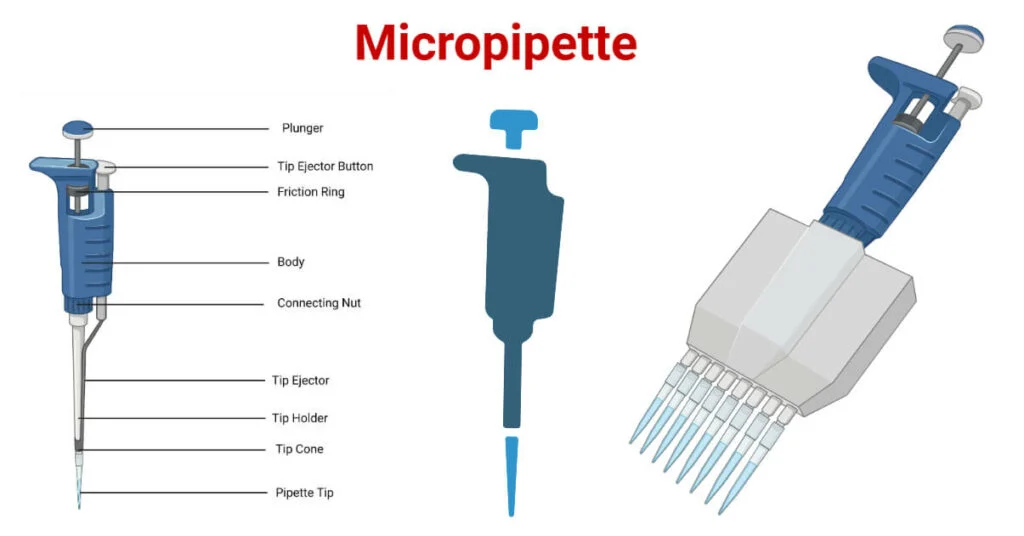
Pipette = Instrument used to measure and transfer small volume of liquid sample
Plasmid = Circular, double stranded, extrachromosomal DNA of bacteria
Presumptive Test = Biochemical test to presume the presence of specific microorganisms in a sample
Probiotics =Viable microorganisms that are consumed to promote gut flora and gut health
Prions = Small proteinaceous infective agents lacking nucleic acid
Pseudohyphae = Arrangement of yeast cells giving the appearance of a hyphae
Psychrophilic =Microorganisms thriving in cold
PCR =Polymerase Chain Reaction; a molecular technique to amplify nucleic acid
Microbiology Terms from the Letter Q
Qualitative Analysis/Test = Test to identify microorganisms in a sample
Quantitative Analysis/Test = Tests to identify and count the number of microorganisms in a sample
Quorum Sensing = Coordinated behavior/communication in microbial/bacterial community
Microbiology Terms from the Letter R
Rapid Test = Tests used for quick identification of an unknown microorganism
Recombinant DNA = A chemically combined DNA containing DNA portions of different organisms
Replication = Production of exact copies
Respiration = Breakdown of an organic molecule (glucose)inside the cell producing ATP
Restriction Enzyme = Bacteria enzymes that cleave DNA at specific sites
Reverse Transcription = Process of the formation of DNA from RNA
RNA = Ribonucleic acid
RIA = Radioimmunoassay
Microbiology Terms from the Letter S
Sample = Specimen/Materials from where microorganisms are supposed to be isolated
Selective Media = Media that selectively allow the growth of certain species of microorganisms while inhibiting the growth of the others
Septate =Divided
Serovar = Serotype; bacterial or viral strains with all the characters same but different antigens and stimulate a host’s immune system for the production of different antibodies
Sheathed Bacteria = Bacteria arranged in filaments covered with a mucilaginous sheath
Slime Layer = An outer slimy layer in some bacteria made of polysaccharides, glycolipids, and glycoproteins.
Species = A taxonomic category below the genus that can interbreed
Spirochetes = Spirally twisted-shaped bacterial group
Sporulation = Process of formation of spore
Spore = A thick-walled dormant stage of bacteria or fungi that can develop into a viable individual
Sterilization = Process of removing (killing) all viable microorganisms
Strain = Variants of the same species resulted due to certain variations/mutations in their genes
Sub-type = Strain
Sub-species = A taxonomic category below species including organisms that are morphologically distinct but can interbreed
Staph = Staphylococcus
Strep= Streptococcus
SEM = Scanning Electron Microscope
Microbiology Terms from the Letter T
Taq Polymerase = Bacterial polymerase enzyme derived from Thermus aquaticus
Thermophiles = Organisms that thrive in temperatures above 450C
Thermotolerant = Organisms whose ambient temperature is below 450C but can even survive and grow in temperatures above 450C
Transcription = Process of formation of RNA from DNA
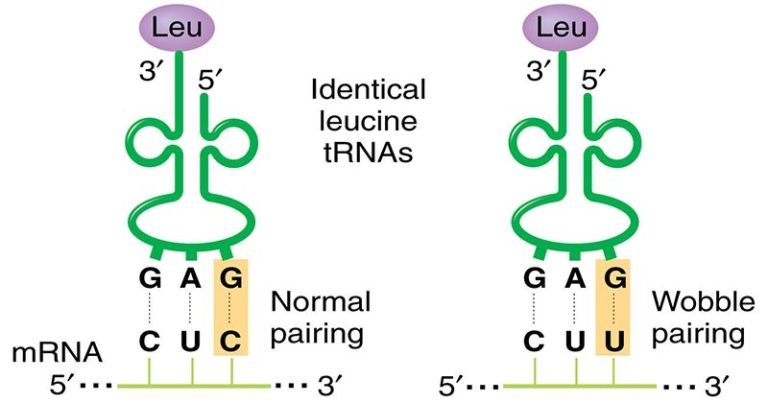
Translation = Process of formation (decoding) proteins from RNA
Transformation = Transfer of genetic material (DNA) directly from one bacterium to another through a cell membrane
Transduction= Introduction of foreign gene/DNA into bacterial DNA via virus
Transgenic = Organism whose genetics have been altered by incorporation of foreign gene/DNA segment
Transmission = Transfer of pathogens from one host to another
Transposition = Transfer of DNA/gene from one site to another
TEM = Transmission Electron Microscope
Microbiology Terms from the Letter U
Urease Test = Biochemical test to detect the production of urease enzyme by bacteria
Microbiology Terms from the Letter V
Variants = Subtype (usually of viruses and bacteria) that are genetically different but the genetic difference is not sufficient to classify as a separate strain
Viruses = Self-replicating obligate parasitic infectious agents having only one type of nucleic acid as their genome
Virulence = Microorganism’s ability to damage host’s cells/components
Virulence factor = Molecules secreted by or expressed within pathogens that enable them to establish infection
Vaccine = Medicine that stimulates the body’s immune response to protect and prevent infection
Viable = Living
Virology = Study of viruses
Microbiology Terms from the Letter W
Winogradsky Column = An instrument acting as a self-supporting ecosystem used to study microbial diversity of an environment
Microbiology Terms from the Letter X
Xanthophyta = Yellow-green algae
Microbiology Terms from the Letter Y
Yeasts = Single-celled fungi
Microbiology Terms from the Letter Z
ZN-stain = Staining procedure used to stain acid-fast bacteria (Mycobacteria)
Zoonoses = Infections transmitted by animals
Zone of Inhibition = A clear zone without visible microbial growth around antimicrobial component