Animal Physiology
Theria: Characteristics, Diversity, Types, Examples
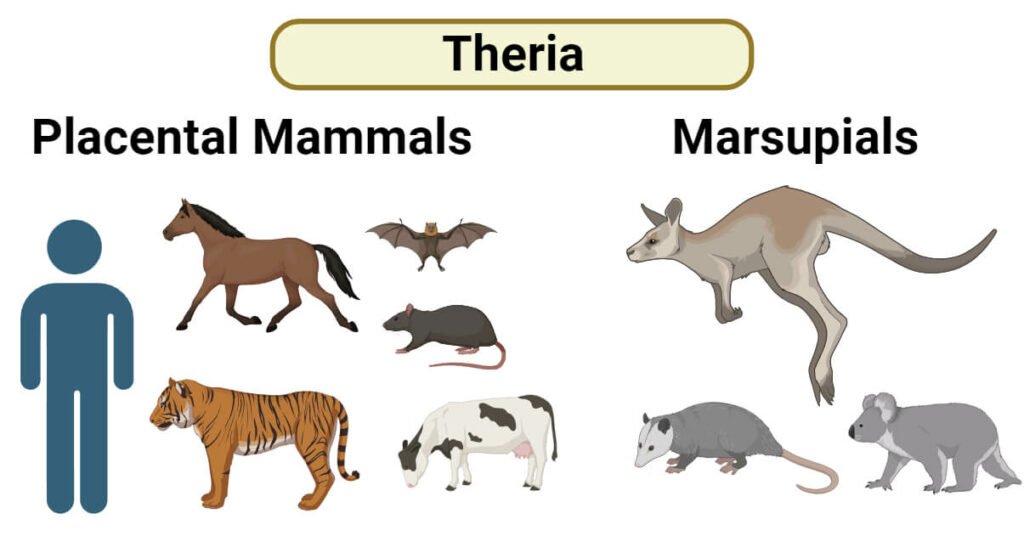
Theria is a subclass of mammals, including placental mammals (Eutheria) and marsupials (Metatheria). Placental mammals have a placenta, nourish their young internally, and include diverse groups like primates and rodents. Marsupials give birth ... Read more
Stratified Squamous Epithelium: Structure, Functions, Examples
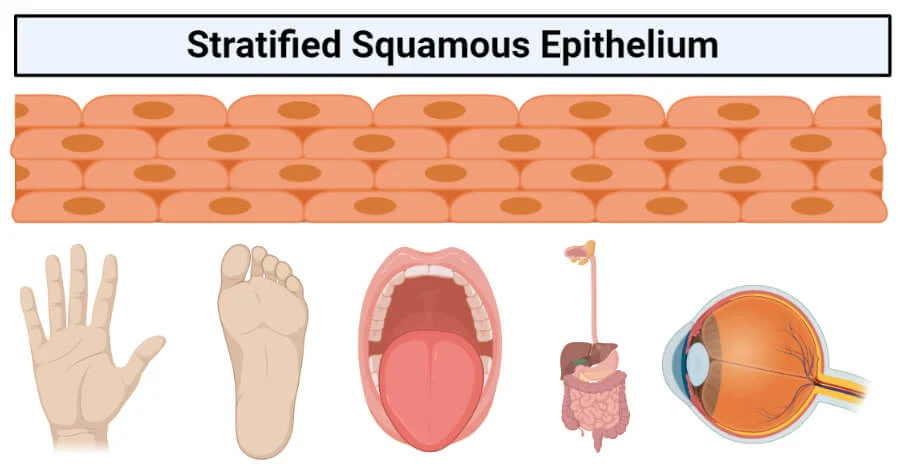
Disclaimer: The information and images presented on this page are for academic, study, and educational purposes only. The stratified squamous epithelium consists of several layers of cells, where the cells in the apical ... Read more
Starch Digestion: Structure, Enzymes, Mechanism, Process
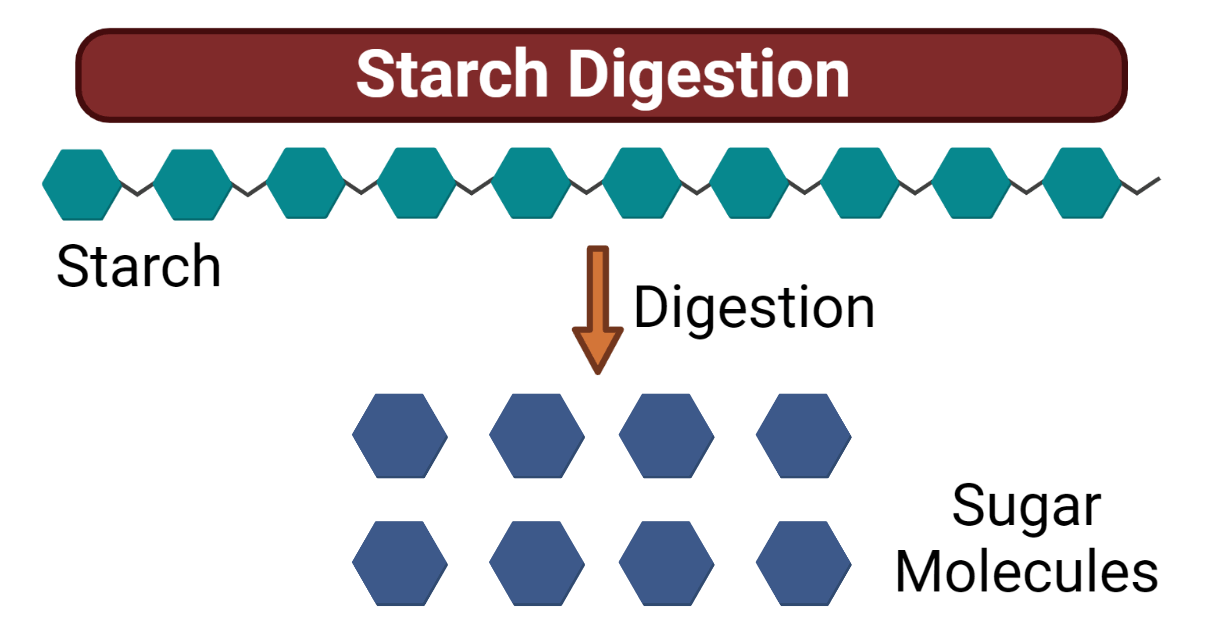
Dietary starches contribute as the largest energy sources by humans to meet their calorie intake. Starch is a complex macromolecule derived from plant-based foods and beverages. Because of their structural complexity, starches seem ... Read more
Sexual Reproduction: Features, Stages, Types, Examples
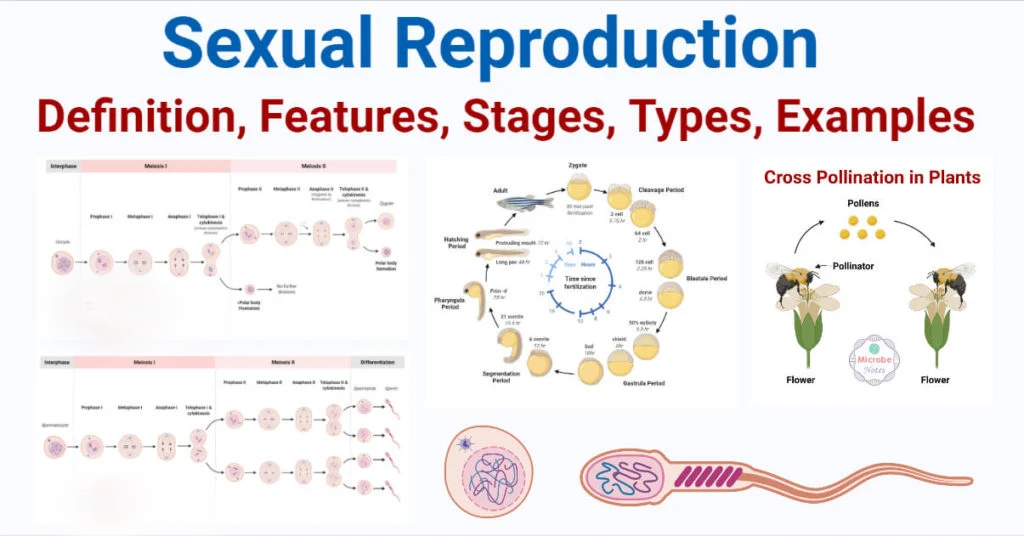
Reproduction in biology is defined as the process of producing offspring of the same kind. It ensures the continuity of life forms from generation to generation. It is the essential feature of every ... Read more
Twins- Types, Causes and Significance
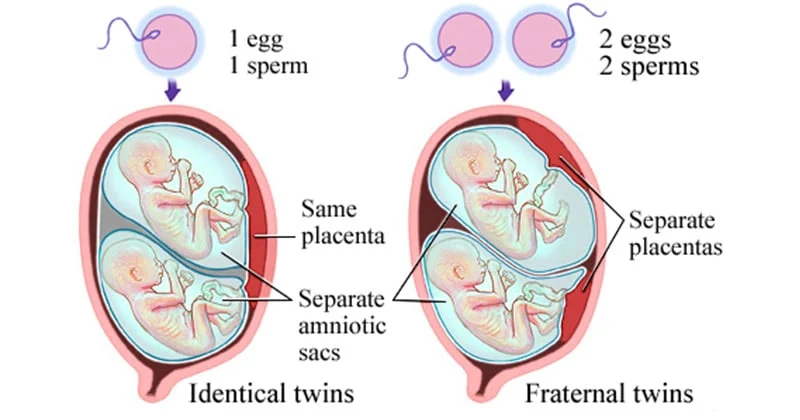
Normally, a woman gives birth to only one young at a time, but sometimes more than (Twins) one child are born to a woman at the same time.The delivery of more than one ... Read more
What are the types of Crystals found in Urine?
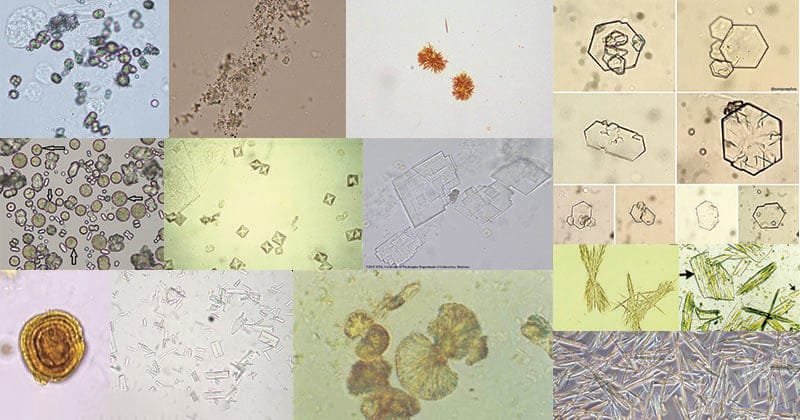
Urine contains a large number of different chemicals. Under some circumstances, these chemicals may solidify into salt crystals. This is called crystalluria. Crystals have a characteristic refractile appearance. Testing for crystals in urine test ... Read more
Urea Cycle: Functions, Steps, Products, Regulation, Disorders
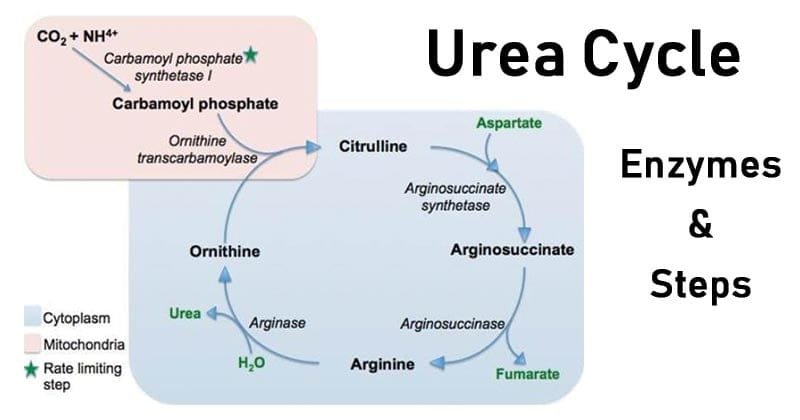
The key metabolic system known as the urea cycle is essential for the body’s process of excreting extra nitrogen. For the creation of proteins, nucleic acids, and other important compounds, nitrogen is a crucial component. ... Read more
Blood Corpuscles: Types, Functions, and Characteristics

Blood is a vital fluid in the human body, responsible for transporting nutrients, gases, hormones, and waste products, maintaining homeostasis, and defending against diseases. Among its components, blood corpuscles (or blood cells) play ... Read more
Cranial Nerves: The Gateway to Brain Function

Cranial nerves are a crucial part of the nervous system, responsible for connecting the brain with various parts of the head, neck, and trunk. These nerves control essential functions such as vision, hearing, ... Read more
Clotting Factors: Key Players in Blood Coagulation

Blood clotting (Clotting Factors), or coagulation, is a vital process that prevents excessive bleeding when a blood vessel is injured. The coagulation system involves a complex cascade of events, primarily orchestrated by a ... Read more