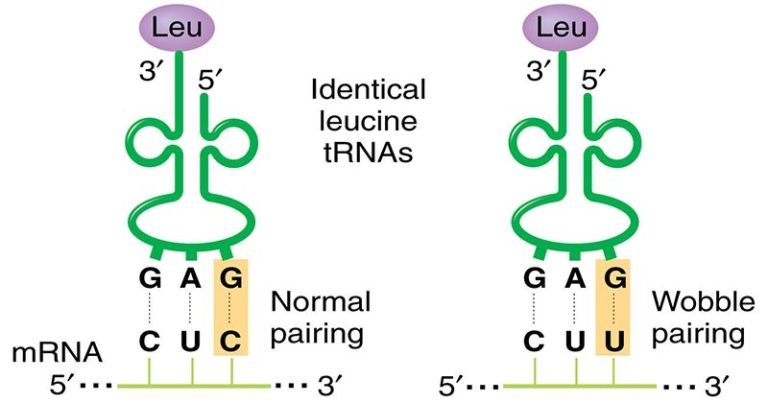
Basic Microbiology
Microbiology, a captivating branch of science, delves into the realm of microscopic organisms and explores their interactions with both microscopic and macroscopic entities. Microorganisms, often unseen by the naked eye, include bacteria, fungi, archaea, protozoa, and viruses, constituting the fascinating subjects of microbial study.
Foundation and Evolution:
The inception of microbiology traces back to Anton Von Leeuwenhoek’s invention of the microscope. Basic microscopy forms the bedrock for diverse studies encompassing biochemistry, physiology, cell biology, ecology, evolution, and clinical aspects of microorganisms. Understanding host responses to these agents enriches the field.
Scope of Microbiology:
Microbiology extends its grasp to the structural, functional, and classification aspects of microorganisms. The discipline involves harnessing and controlling microbial activities. Notably, microbes contribute to the production of antibiotics, amino acids, hormones, and therapeutic compounds. They also play pivotal roles in food production, food-related products, and biomass decomposition for renewable energy sources.
Applications in Various Spheres:
Initially linked with pathogenic microorganisms causing diseases, microbiology has evolved into a versatile field. Microorganisms find applications in diverse areas, leading to the emergence of specialized disciplines like agriculture microbiology, food microbiology, pharmaceutical microbiology, and systemic microbiology.
Diverse Studies and Advancements:
Microorganisms, due to their manipulability and reproducibility, are pivotal in research. The classification into sub-disciplines facilitates in-depth studies, providing insights into the identification, classification, life cycles, and applications of microorganisms.
Role in Ecosystem Maintenance:
Microbiology unveils the role of microorganisms in maintaining the ecosystem. Understanding their functions allows for the development of advanced methods, aiding in the discovery of emerging microorganisms, associated diseases, and applications.
Genetic Engineering and Applications:
Microorganisms contribute to the formation of genetically engineered counterparts through processes like genetic recombination. Their applications extend to the production of food, industrial products, and antibiotics, showcasing their versatility.
Conclusion:
In the intricate world of microbiology, the study of microscopic organisms transcends boundaries and impacts various facets of life. From unraveling the secrets of cellular functions to harnessing microbial potential for societal benefits, microbiology stands as a dynamic and ever-evolving field, offering continual avenues for exploration and discovery.
Microbiology Terms and Terminology with Definitions
Differences between terminologies used in Microbiology
Sudan Black B Staining: Principle, Procedure, Results, Uses

Ventilator-Associated Pneumonia (VAP): Epidemiology, Causes, Features, Prevention
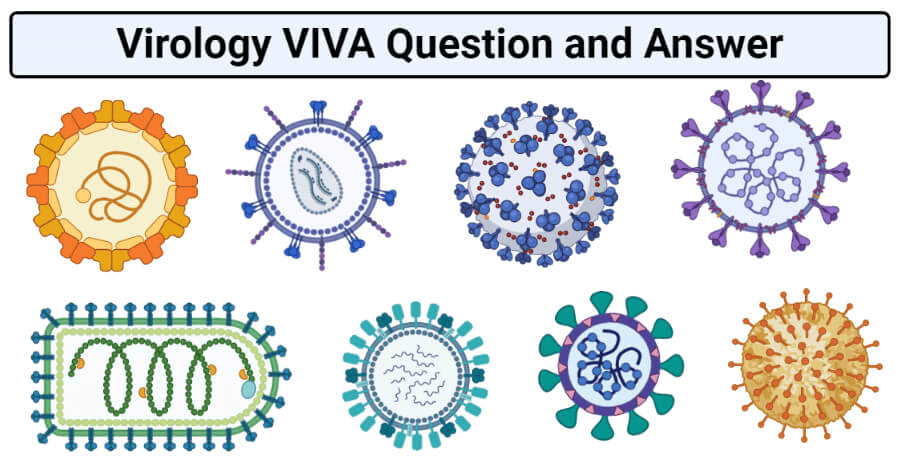
Virology VIVA Question and Answer with mnemonics
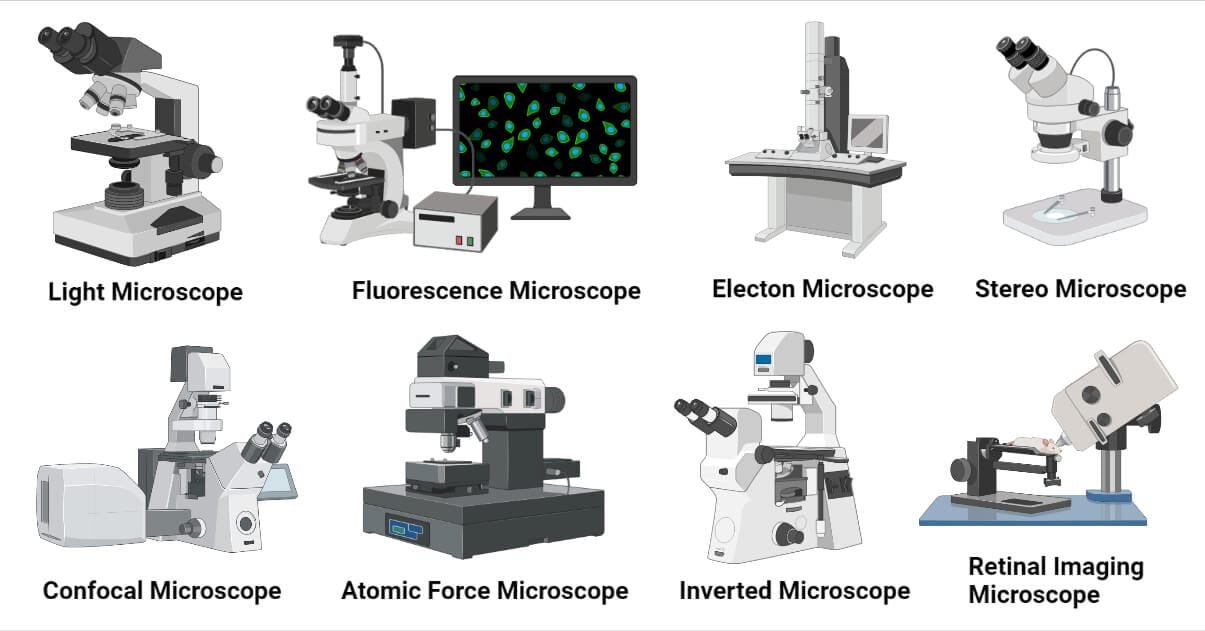
16 Types of Microscopes with Parts, Functions, Diagrams
Visual Inspection in Medical Device QC
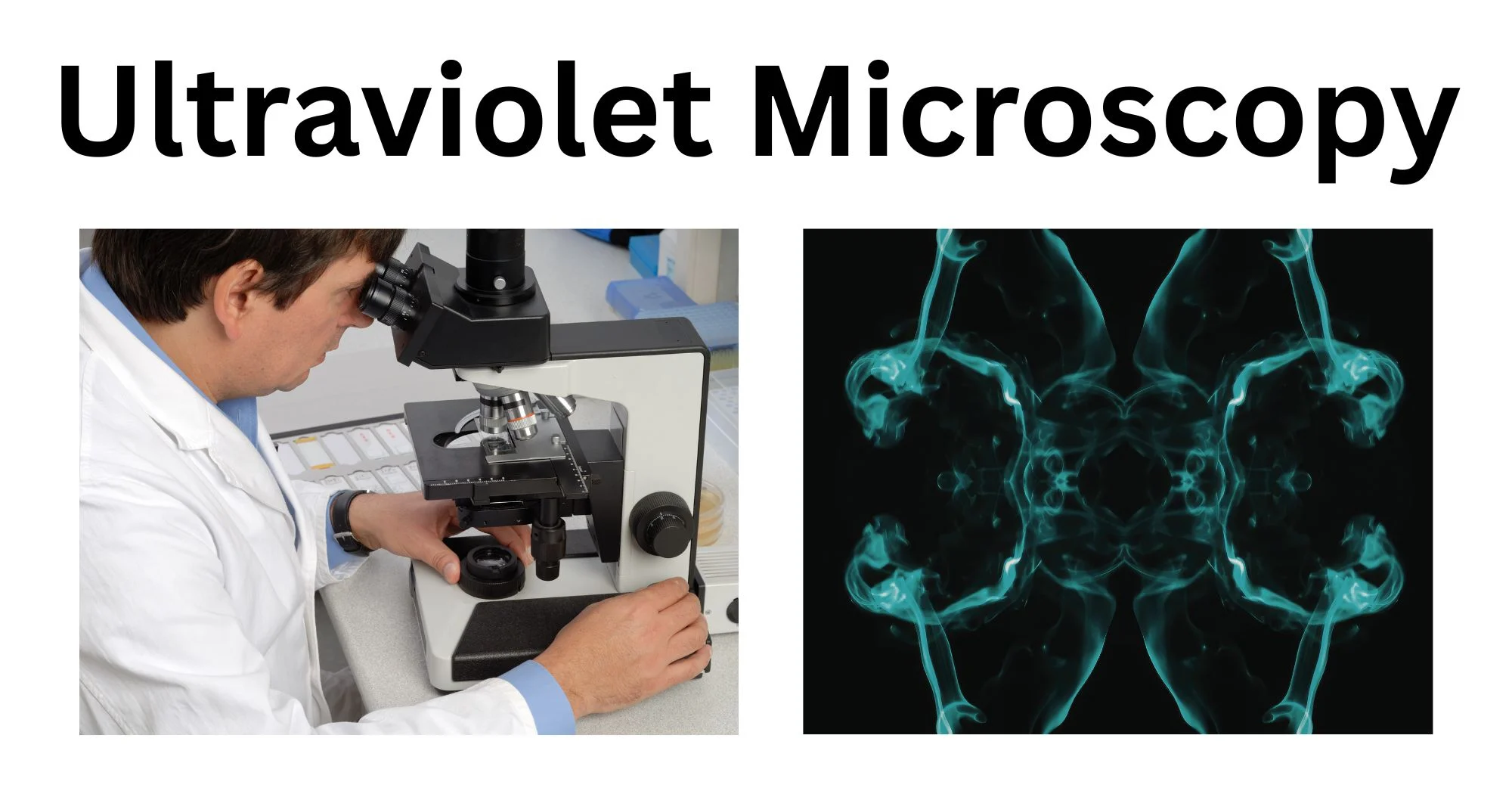
Ultraviolet (UV) Microscopy: Principle, Parts, Steps, Uses, Examples
Sterilization Methods: Safeguarding Purity through Physical and Chemical Means