Molecular Biology
Molecular biology is a branch of biology that delves into the study of cellular molecules, particularly proteins and nucleic acids, such as DNA and RNA. These molecules are essential for the structure, function, and regulation of cellular processes. Here are some key points about molecular biology:
- Focus on Nucleic Acids: The primary focus of molecular biology is on nucleic acids, especially DNA and RNA. This includes understanding their structure, composition, expression, and interactions within the cellular environment.
- Role in Cellular Functions: Molecular biology has gained significance by revealing the critical roles nucleic acids and other biomolecules play in the normal functioning of living organisms. This knowledge has broad implications for various fields, including medicine and biotechnology.
- Emergence as a Distinct Discipline: Molecular biology emerged as a separate discipline from related fields like biochemistry, genetics, and biophysics. It has its own set of principles, methods, and techniques for studying cellular molecules.
- Techniques and Methods: Various techniques have been developed in molecular biology, with some borrowed from genetics. Common methods include X-ray diffraction and electron microscopy for determining the three-dimensional structure of nucleic acids.
- Genetic Engineering: Molecular biology focuses on understanding the molecular mechanisms of genetic processes. This knowledge is crucial for genetic engineering, allowing scientists to isolate, modify, and sequence genes for various applications.
- Prokaryotic and Eukaryotic Studies: Initial studies were often based on the genetics of simple bacteria like E. coli. However, many principles and techniques developed for prokaryotes have been successfully applied to eukaryotic cells.
- Advances in DNA Technology: Modern advancements in recombinant DNA technology have made ambitious projects possible, such as sequencing the complete genome of organisms, including humans, using techniques like DNA sequencing and polymerase chain reaction (PCR).
- Clinical Applications: Molecular biology has found applications in clinical research and medical therapies, particularly in gene therapy. Understanding molecular mechanisms allows for targeted drug development and efficient disease diagnosis.
Molecular biology continues to be a dynamic and evolving field, contributing significantly to our understanding of life at the molecular level and offering practical applications across various scientific disciplines.
Vaccines- Definition, Principle, Types, Examples, Side Effects
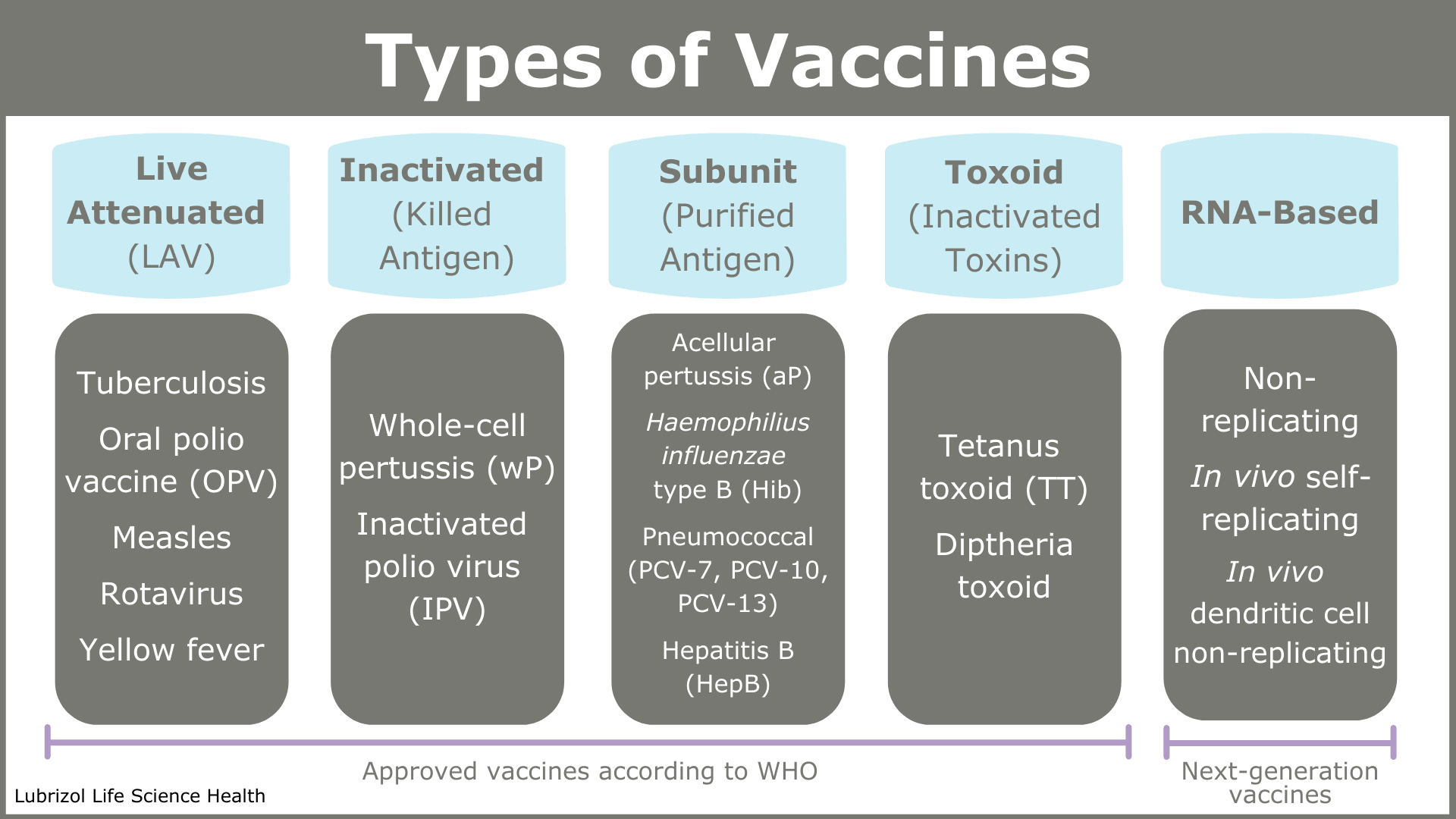
A vaccine is a medical preparation given to provide immunity from a disease. Vaccines use a variety of different substances ranging from dead microorganisms to genetically engineered antigens to defend the body against potentially harmful ... Read more
Whole Genome Duplication (Polyploidy): Discovery, Mechanism, Occurrence
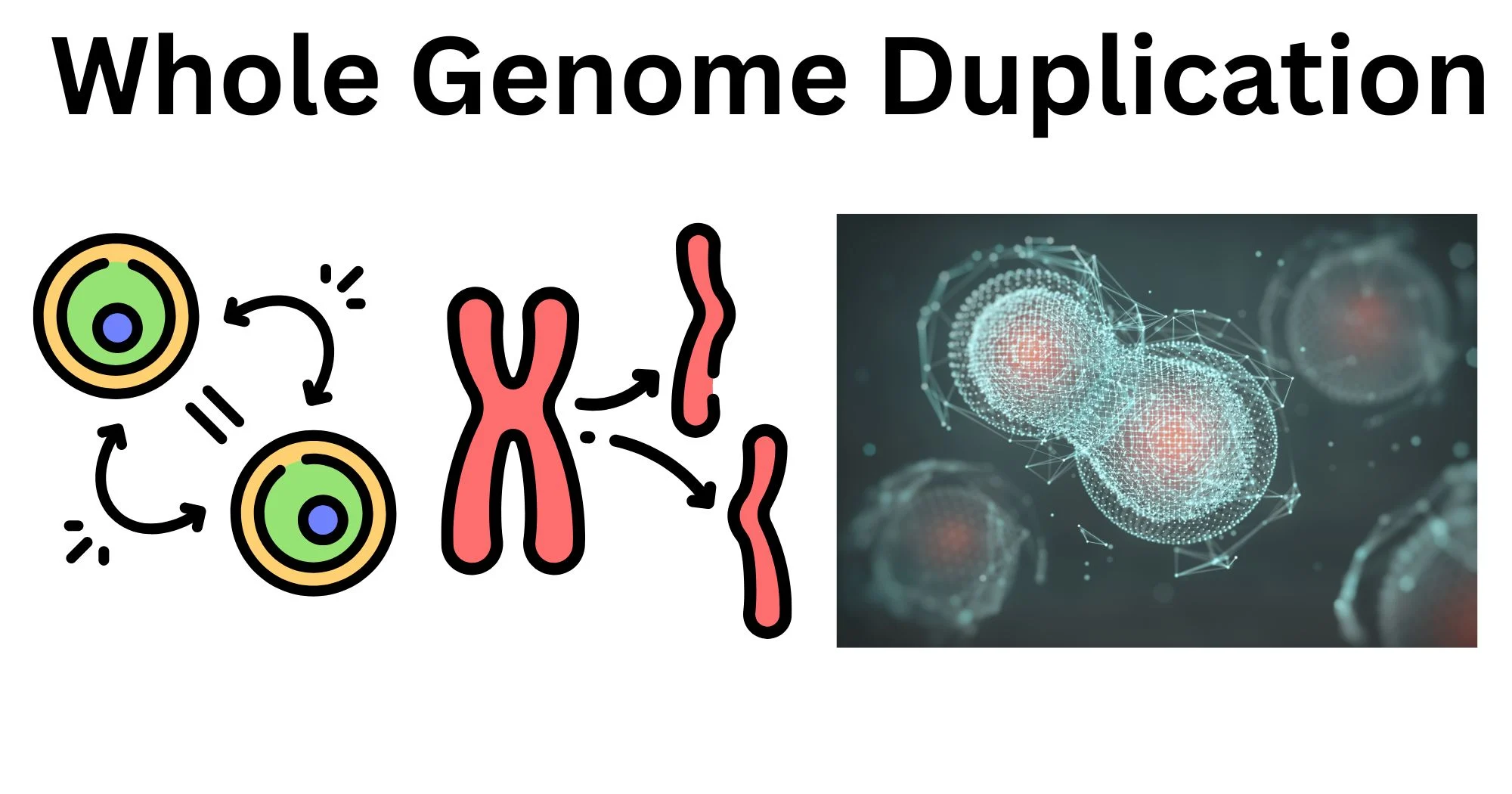
Whole genome duplication, or polyploidy, is a product of non-disjunction during meiosis, which results in additional copies of the entire genome. The process might be evolutionarily beneficial for the organism or detrimental. Discovery of ... Read more
Yellow Fever Virus: A Comprehensive Guide
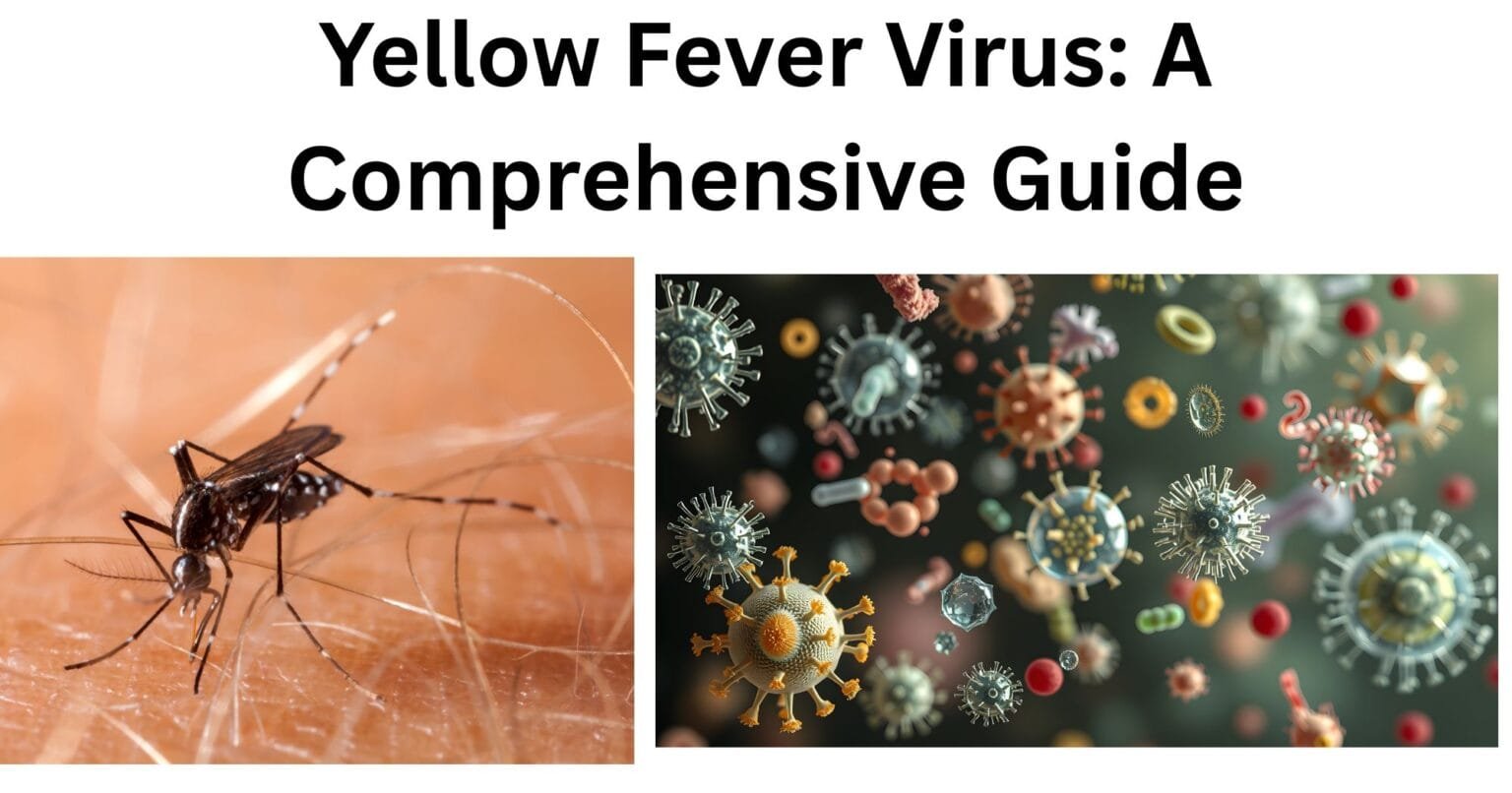
The yellow fever virus is a mosquito-borne virus that belongs to the genus Flavivirus within the family Flaviviridae. This virus is primarily transmitted to humans through the bite of infected mosquitoes, especially Aedes ... Read more
37 Types of PCR with Definition, Principle, and Uses
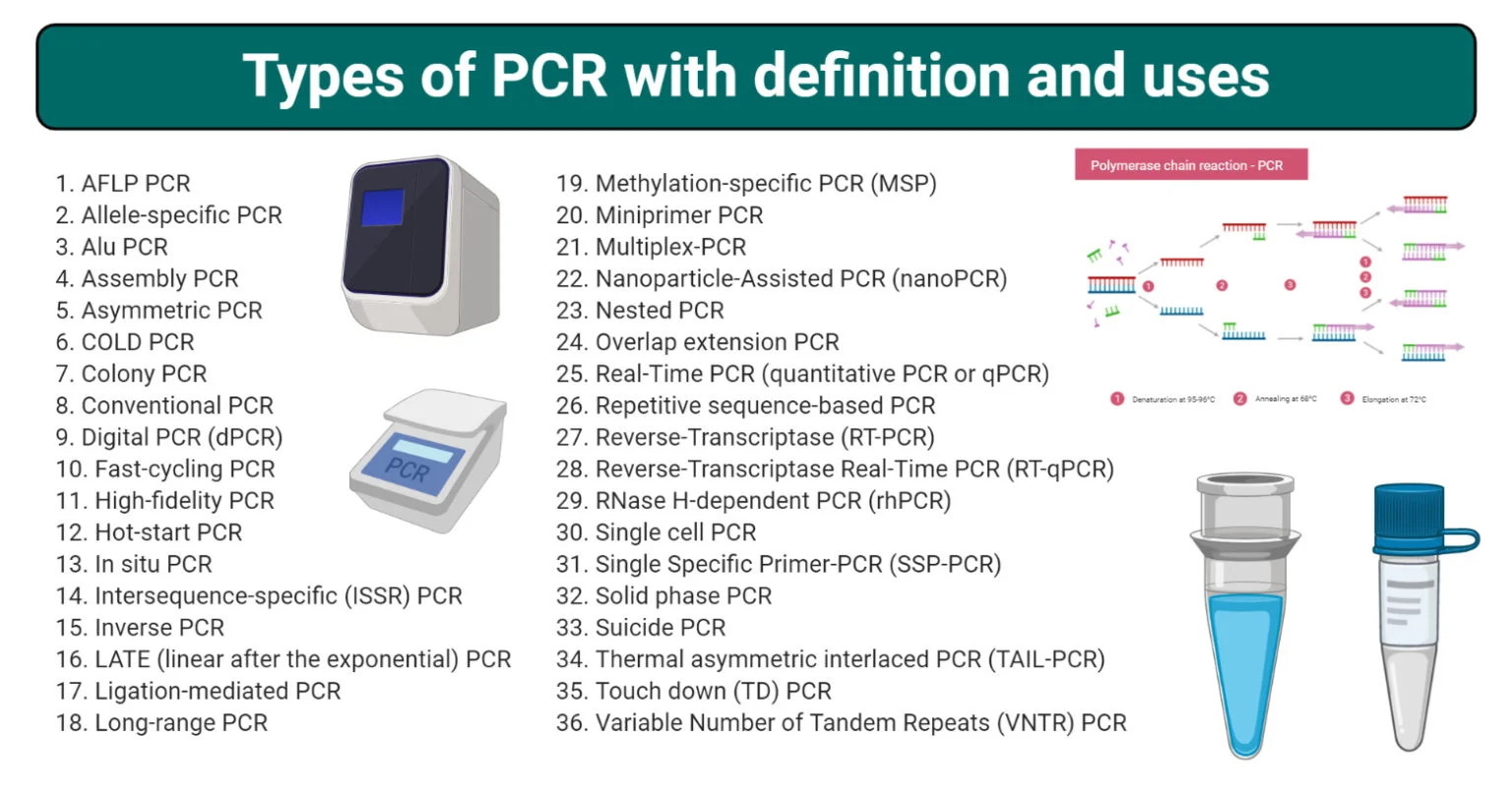
List of Types of PCR 1. Amplified fragment length polymorphism (AFLP) PCR 2. Allele-specific PCR 3. Alu PCR 4. Assembly PCR 5. Asymmetric PCR 6. COLD PCR 7. Colony PCR 8. Conventional PCR ... Read more
Transcription Factors: Classification, Mechanism of Action, Significance
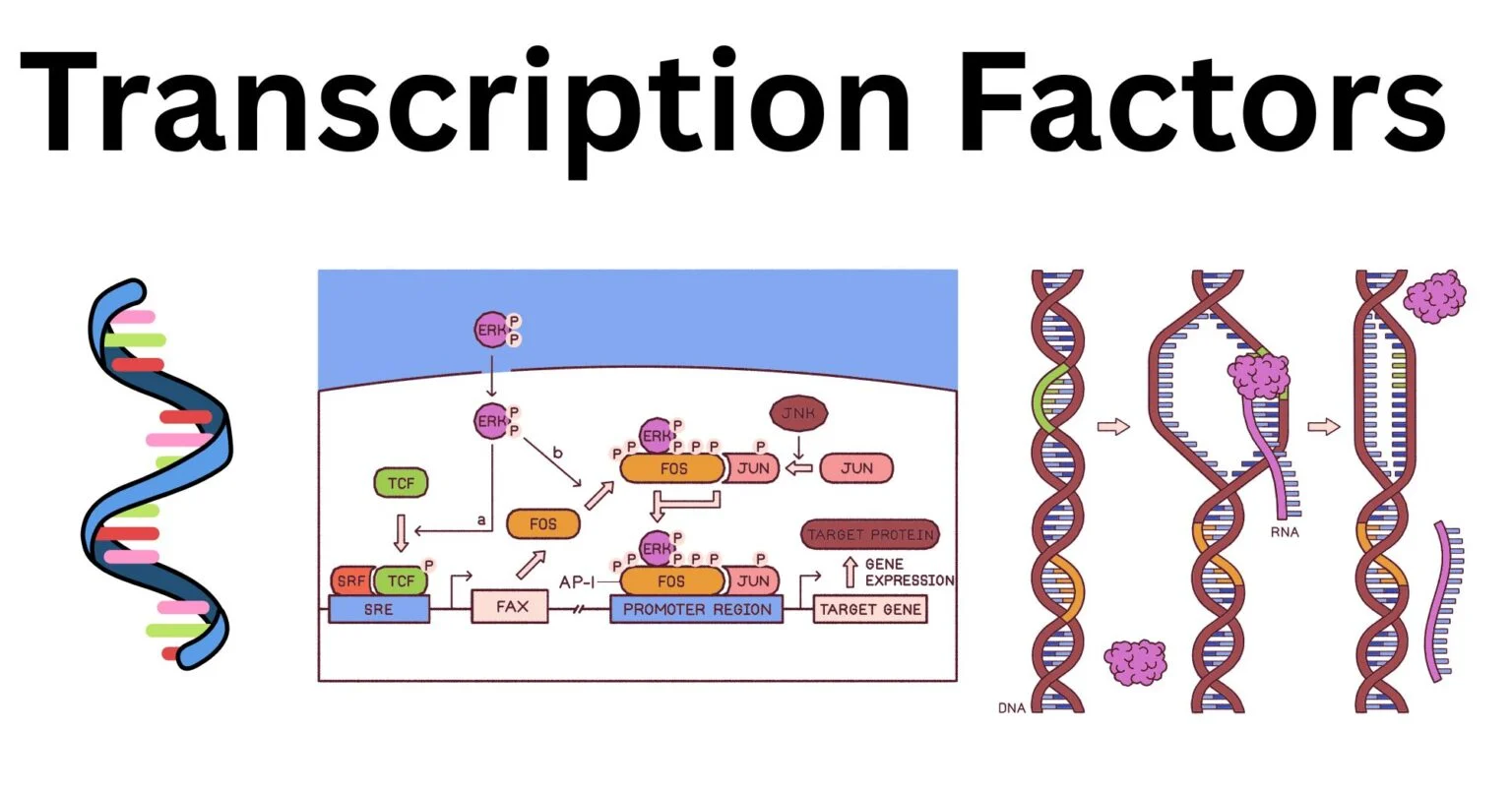
Transcription factors (TFs) are specialized proteins that bind to specific DNA sequences, such as promoters or enhancers, to regulate gene expression. Structural Classification of Transcription Factors Transcription factors are structurally classified based on ... Read more
Tumor Suppressor Genes: Discovery, Types, Mechanisms
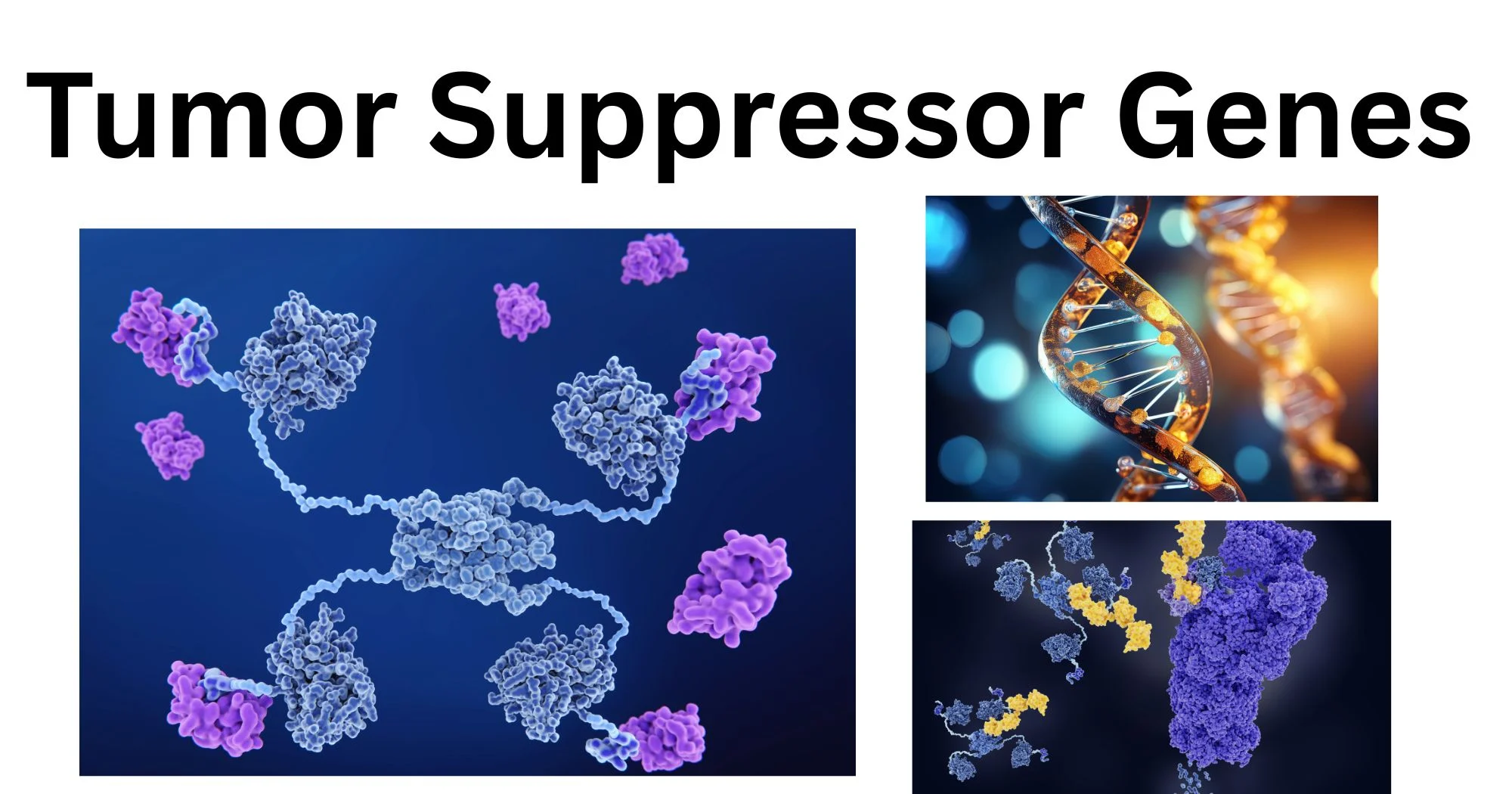
Cells are innately designed to suppress uncontrollable cell proliferation, i.e., cancer. They have intricate tumor suppression mechanisms known as tumor suppressor genes to prevent such abnormalities. When these mechanisms are disrupted, the probability ... Read more
Y Chromosome: Structure, Functions, Loss of Y Chromosome
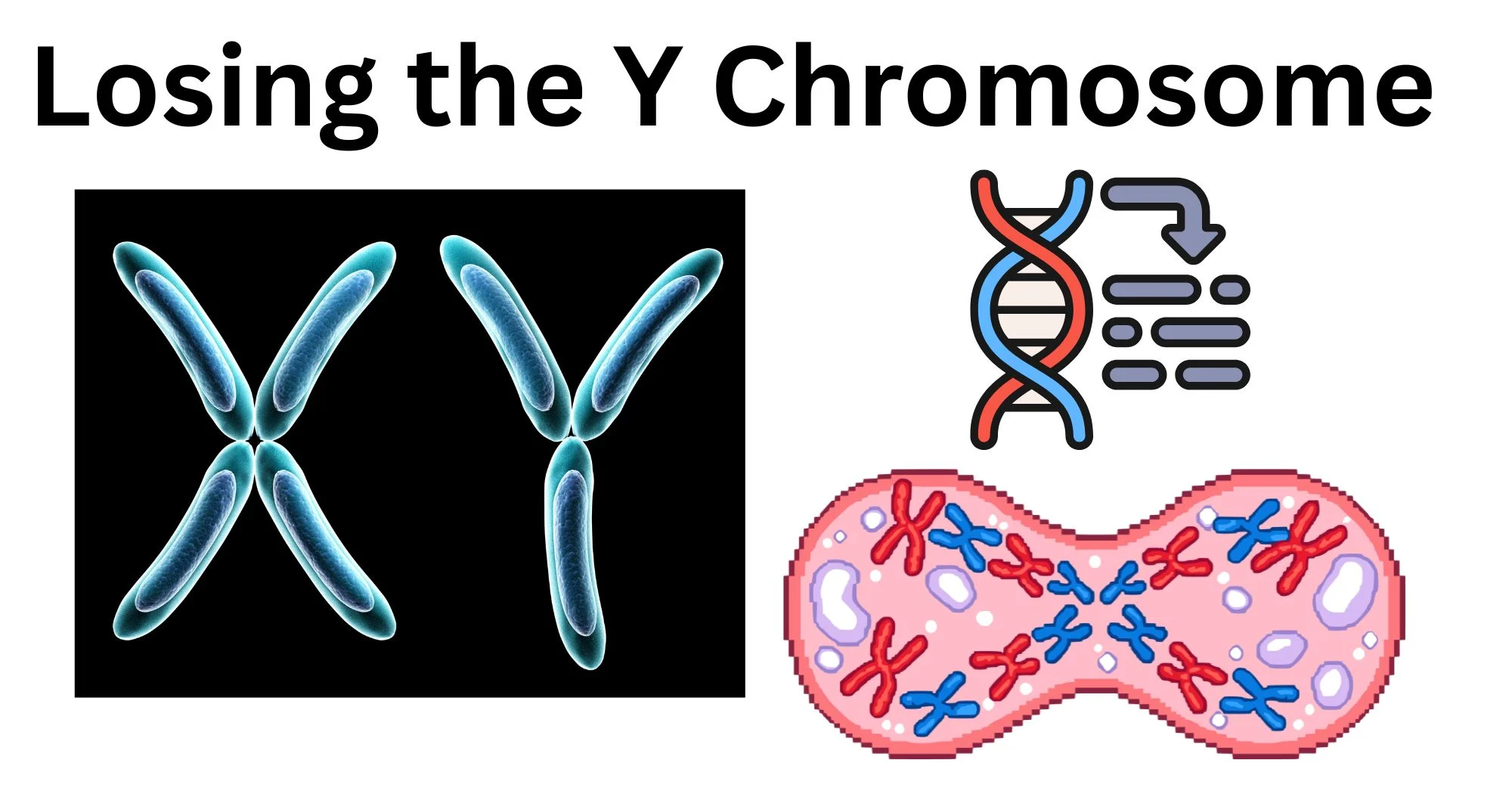
Human sex is determined by a pair of sex chromosomes, the X and Y chromosomes. These sex chromosomes form one of the 23 pairs of human chromosomes in each cell. Females have two ... Read more
What are the types of Mutations?
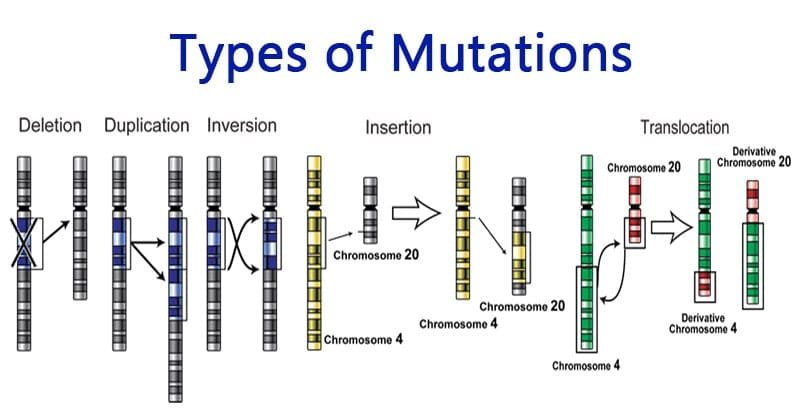
The mutation is a process that produces a gene or chromosome that differs from the wild type (arbitrary standard for what “normal” is for an organism). The mutation may result due to changes either ... Read more
Transgenic Organisms: Principles, Steps, Methods, Types, Examples, Applications
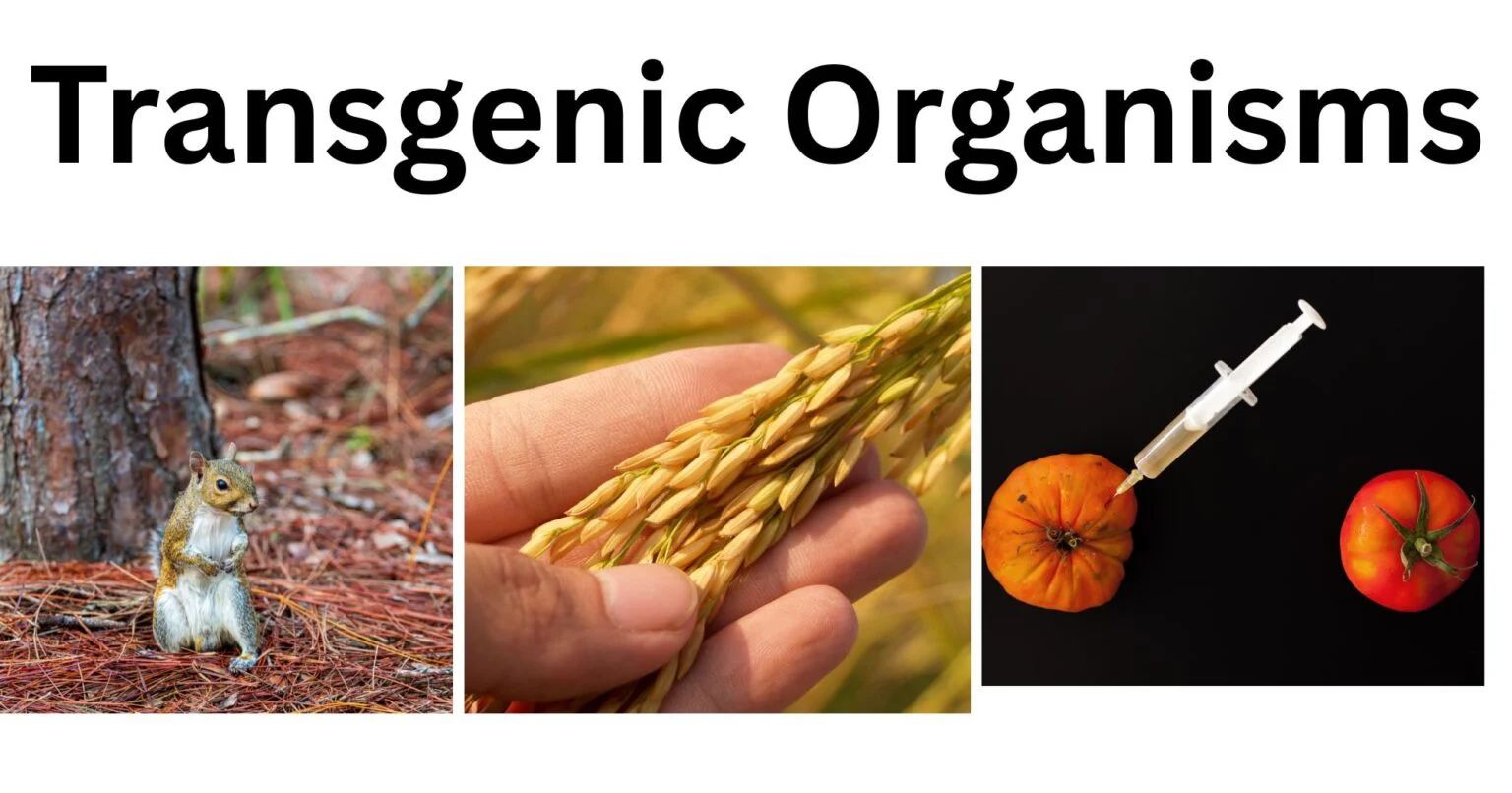
Transgenic organisms are those whose genetic material (DNA) has been deliberately altered in the laboratory by incorporating foreign DNA from another species to introduce a new beneficial trait in the target organism. The ... Read more
DH5-Alpha (DH5α) Cells Transformation: Principle, Steps
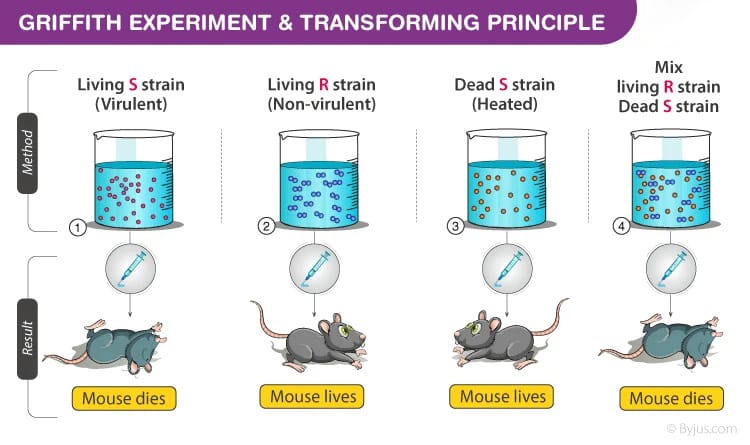
What is Bacterial Transformation? Bacterial transformation is a process by which a bacterial cell takes up exogenous foreign DNA from its environment, leading to a stable hereditary change. The phenomenon of transformation was ... Read more