Blog
Yellow Fever Virus: A Comprehensive Guide
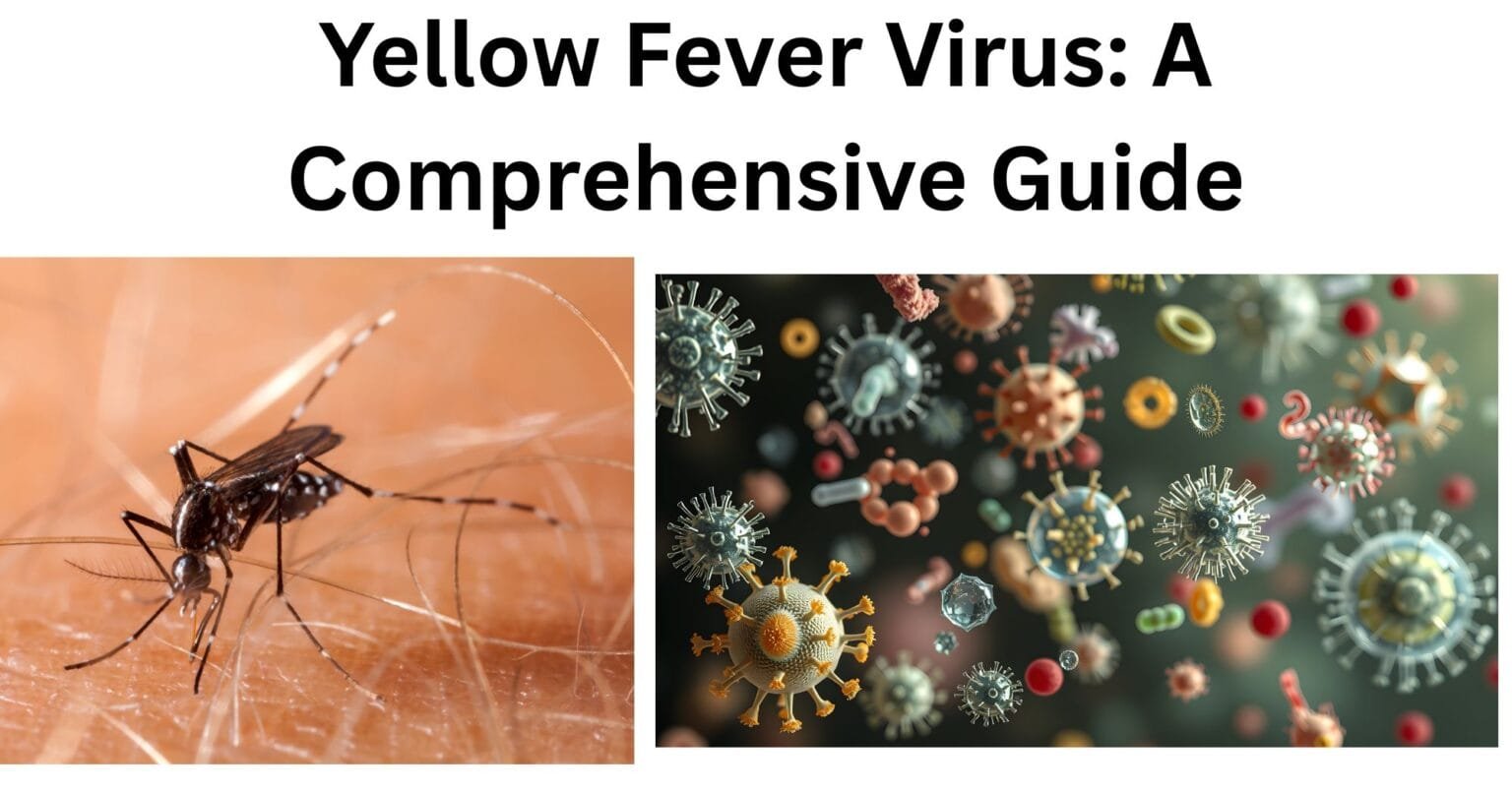
The yellow fever virus is a mosquito-borne virus that belongs to the genus Flavivirus within the family Flaviviridae. This virus is primarily transmitted to humans through the bite of infected mosquitoes, especially Aedes ... Read more
37 Types of PCR with Definition, Principle, and Uses
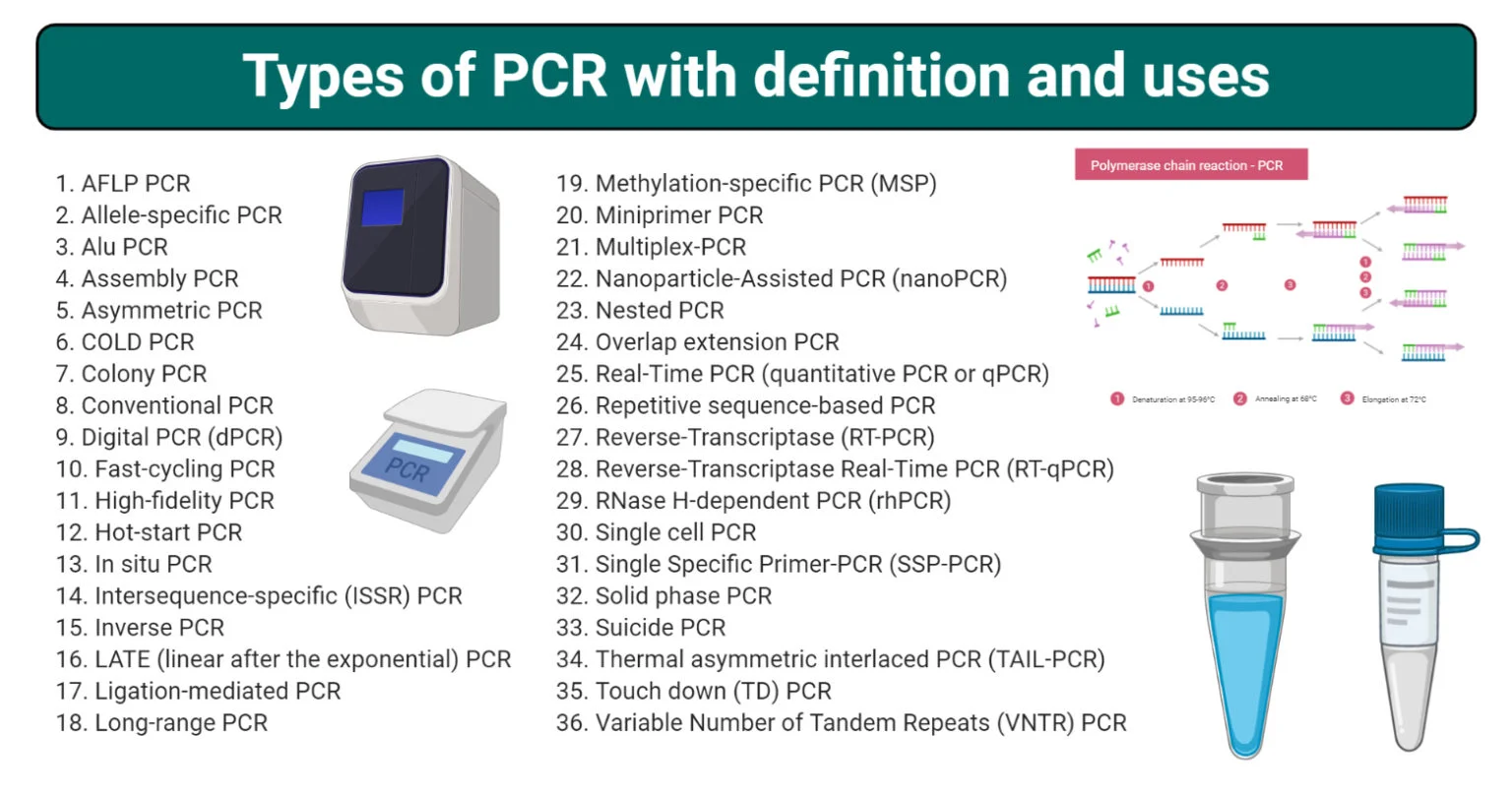
List of Types of PCR 1. Amplified fragment length polymorphism (AFLP) PCR 2. Allele-specific PCR 3. Alu PCR 4. Assembly PCR 5. Asymmetric PCR 6. COLD PCR 7. Colony PCR 8. Conventional PCR ... Read more
Are Viruses Living or Non-Living? Or a Borderline

Are viruses living or non-living?’ This has been a contentious topic in the scientific world. Actually, the answer to this question depends on what we consider living or how we define living. Viruses ... Read more
Western Blot: Principle, Steps, Results, Applications
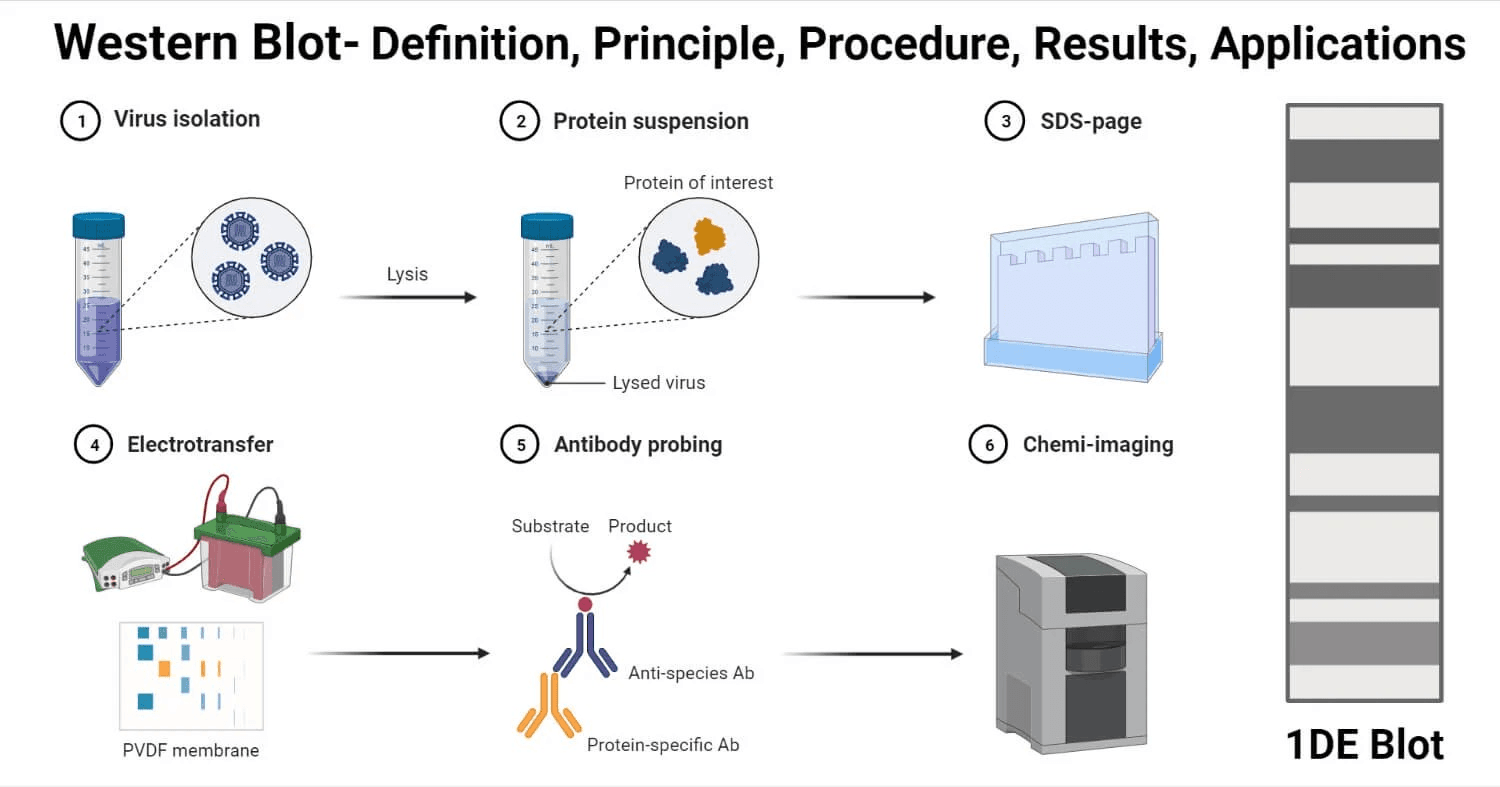
Western blot, also known as immunoblotting, is the process of separating proteins and identifying them in a complex biological sample. Principle of Western Blot Requirements for Western Blot Gel Electrophoresis Protein Transfer Western ... Read more
Virology VIVA Question and Answer with mnemonics
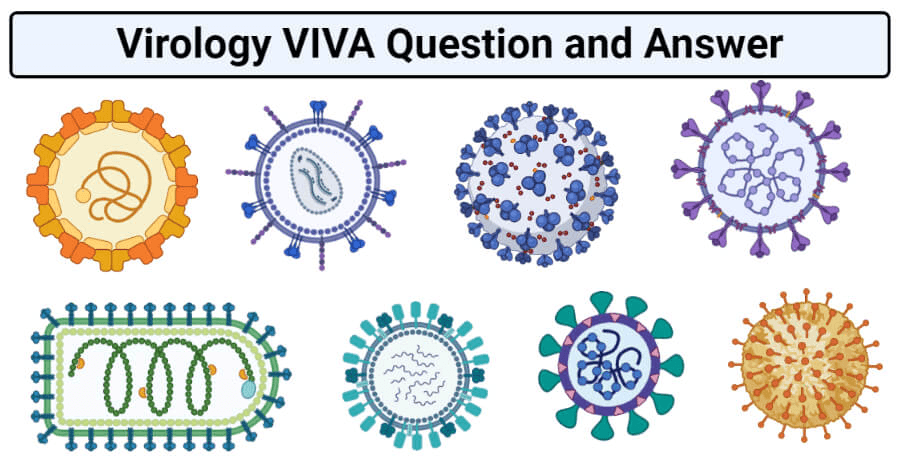
Here are Some Virology VIVA Question and Answer with mnemonics 1) What is the genome present inside the virus? 2) What is the genome present in Coronavirus? 3) Can we observe virus in ... Read more
Structure of Water and Hydrogen Bonding
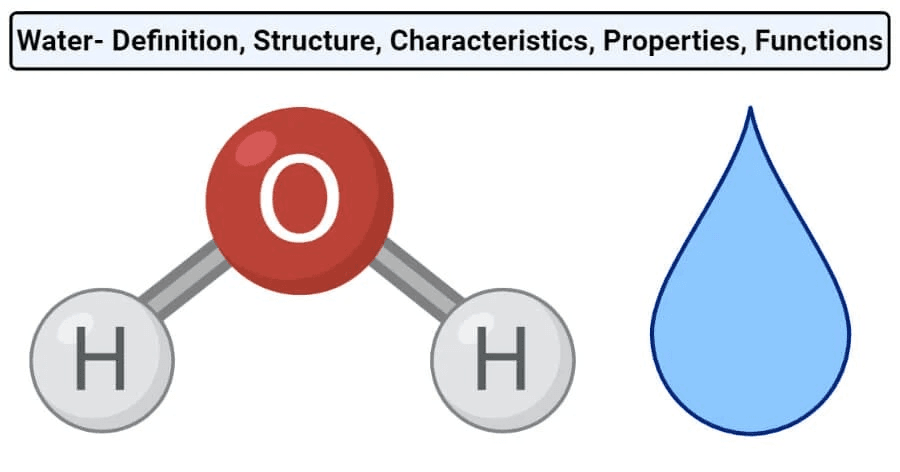
Water is an inorganic liquid chemical that is colorless, odorless, tasteless that makes up most of the Earth’s hydrosphere and the fluids in the body of all living beings. Structure of Water In ... Read more
Transcription Factors: Classification, Mechanism of Action, Significance

Transcription factors (TFs) are specialized proteins that bind to specific DNA sequences, such as promoters or enhancers, to regulate gene expression. Structural Classification of Transcription Factors Transcription factors are structurally classified based on ... Read more
16 Types of Microscopes with Parts, Functions, Diagrams
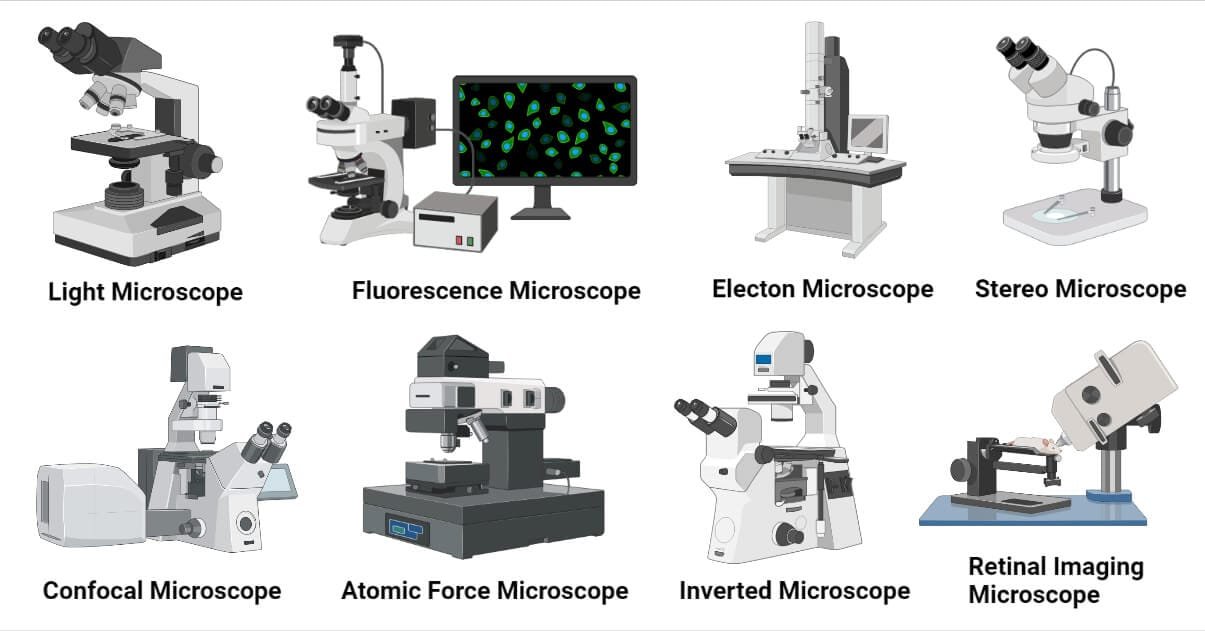
List of 16 types of microscopes 1. Simple Microscope A simple microscope is a type of microscope that uses a single lens for magnification. It uses a single convex lens of a small focal ... Read more
Tumor Suppressor Genes: Discovery, Types, Mechanisms

Cells are innately designed to suppress uncontrollable cell proliferation, i.e., cancer. They have intricate tumor suppression mechanisms known as tumor suppressor genes to prevent such abnormalities. When these mechanisms are disrupted, the probability ... Read more
Venereal Disease Research Laboratory (VDRL) Test
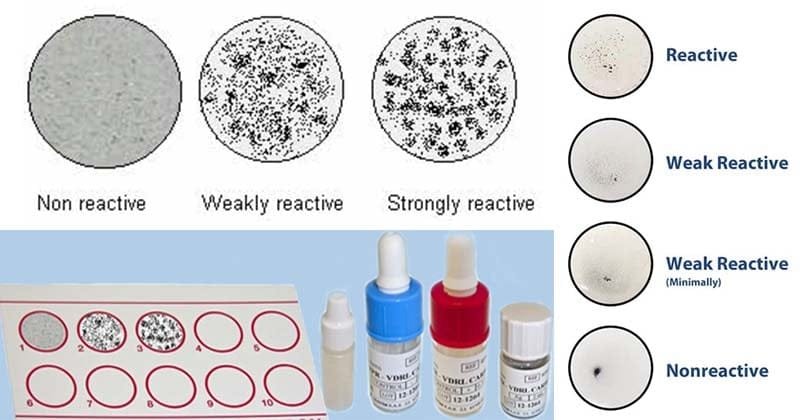
Principle of VDRL Test The Venereal Disease Research Laboratory (VDRL) tests are slide microflocculation test that detect antibodies produced against antigens released by damaged host cells in patients suffering from syphilis. It uses ... Read more